

In the realm of power electronics, DC - DC power supplies play a pivotal role in various applications, from consumer electronics to industrial machinery. One crucial aspect that often gets overlooked but significantly impacts the efficiency and performance of these power supplies is the power factor. As a DC - DC power supply supplier, I understand the importance of improving the power factor and its implications for both our customers and the overall power system. In this blog, I will delve into the concept of power factor, why it matters, and how we can enhance the power factor of a DC - DC power supply.
Understanding Power Factor
Before we discuss how to improve the power factor, it's essential to understand what it is. Power factor (PF) is a measure of how effectively electrical power is being converted into useful work output. It is defined as the ratio of real power (P), which is the power that actually does work, to apparent power (S), which is the product of the voltage and current in an AC circuit. In a DC - DC power supply, although the input and output are direct current, the power factor concept still applies, especially when considering the interaction with the upstream AC - DC conversion stage or the power grid.
The power factor ranges from 0 to 1. A power factor of 1 indicates that all the electrical power is being used effectively, while a power factor less than 1 means that some of the power is being wasted in the form of reactive power. Reactive power does not perform any useful work but still causes additional current to flow in the circuit, leading to increased losses in the power distribution system and higher electricity bills.
Why Improving Power Factor Matters
There are several reasons why improving the power factor of a DC - DC power supply is crucial:
Energy Efficiency
A higher power factor means that less energy is wasted in the form of reactive power. This results in lower energy consumption and reduced operating costs for the end - user. In today's energy - conscious world, energy efficiency is not only an environmental concern but also a significant economic factor.
Reduced Infrastructure Costs
When the power factor is low, the power distribution system has to carry more current to deliver the same amount of real power. This requires larger conductors, transformers, and other electrical equipment, increasing the initial investment and maintenance costs. By improving the power factor, we can reduce the size and cost of the power distribution infrastructure.
Compliance with Regulations
Many countries and regions have regulations in place regarding power factor correction. For example, some industrial customers are required to maintain a minimum power factor to avoid penalties from the utility company. By providing DC - DC power supplies with a high power factor, we can help our customers comply with these regulations.
Methods to Improve the Power Factor of a DC - DC Power Supply
As a DC - DC power supply supplier, we employ several techniques to improve the power factor of our products. Here are some of the most common methods:
Passive Power Factor Correction (PFC)
Passive PFC uses passive components such as inductors and capacitors to reshape the input current waveform and improve the power factor. This is a relatively simple and cost - effective method, but it has some limitations. Passive PFC circuits are typically bulky and have limited power factor correction capabilities, especially at high power levels.
Active Power Factor Correction (APFC)
Active PFC is a more advanced technique that uses active components such as power switches and control circuits to actively control the input current waveform. APFC can achieve a power factor close to 1 over a wide range of input voltages and loads. It also provides better efficiency and smaller size compared to passive PFC. At our company, we often use APFC in our high - power DC - DC power supplies to ensure optimal performance and energy efficiency.
Soft - Switching Techniques
Soft - switching techniques, such as zero - voltage switching (ZVS) and zero - current switching (ZCS), can also improve the power factor of a DC - DC power supply. These techniques reduce the switching losses in the power converter, which in turn reduces the reactive power and improves the overall efficiency. By implementing soft - switching techniques in our designs, we can enhance the power factor and performance of our DC - DC power supplies.
Load Management
Proper load management can also have a significant impact on the power factor. By matching the load characteristics of the DC - DC power supply to the requirements of the application, we can ensure that the power supply operates at its optimal efficiency. For example, using a power supply with a variable output voltage or current can help reduce the reactive power consumption when the load demand changes.
Our Company's Approach to Power Factor Improvement
As a DC - DC power supply supplier, we are committed to providing our customers with high - quality products that have a high power factor. Our engineering team uses the latest technologies and design techniques to optimize the power factor of our DC - DC power supplies.
We conduct extensive research and development to stay at the forefront of power factor correction technology. Our products are designed to meet or exceed the industry standards for power factor, ensuring that our customers can enjoy the benefits of energy efficiency and cost savings.
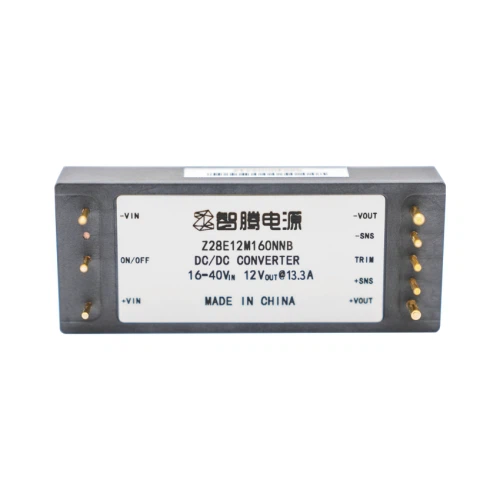
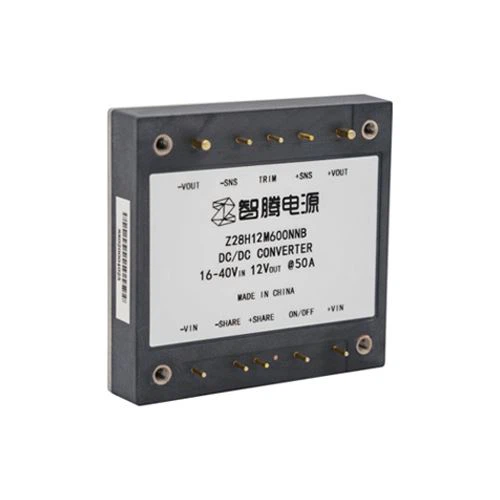
In addition, we offer a wide range of DC-DC Power Converter Module that are specifically designed for different applications and power requirements. Whether you need a low - power DC - DC converter for a consumer electronic device or a high - power converter for an industrial application, we have the right solution for you.
Conclusion
Improving the power factor of a DC - DC power supply is essential for energy efficiency, cost savings, and compliance with regulations. As a DC - DC power supply supplier, we understand the importance of this issue and are dedicated to providing our customers with high - quality products that have a high power factor.
If you are interested in our DC - DC power supplies or have any questions about power factor improvement, please feel free to contact us. Our sales team is ready to assist you in finding the best solution for your specific needs. We look forward to the opportunity to work with you and help you achieve your power management goals.
References
- Erickson, R. W., & Maksimović, D. (2001). Fundamentals of Power Electronics. Springer.
- Mohan, N., Undeland, T. M., & Robbins, W. P. (2012). Power Electronics: Converters, Applications, and Design. Wiley.
- National Electrical Manufacturers Association (NEMA). (2019). Power Quality Standards and Guidelines.