

In today's fast - evolving technological landscape, the demand for energy - efficient electronic devices is on the rise. One crucial component that significantly impacts the energy efficiency of these devices is the micro power supply converter. As a supplier of Micro Power Supply Converter, I understand the importance of choosing a converter with low standby power. In this blog, I will guide you through the process of selecting the right micro power supply converter to meet your low - standby - power requirements.
Understanding Standby Power
Standby power, also known as vampire power or phantom load, refers to the electricity consumed by electronic devices when they are turned off but still plugged in. This power consumption may seem negligible for a single device, but when aggregated across multiple devices in a household or a large - scale industrial setting, it can result in a substantial increase in energy costs. Moreover, from an environmental perspective, reducing standby power consumption contributes to a greener and more sustainable future.
Key Factors to Consider When Choosing a Micro Power Supply Converter with Low Standby Power
1. Efficiency Ratings
The efficiency of a micro power supply converter is a critical factor in determining its standby power consumption. A converter with high efficiency will waste less energy as heat, resulting in lower standby power. Look for converters that meet or exceed industry - recognized efficiency standards, such as the Energy Star program for consumer electronics or relevant industrial efficiency benchmarks.
The efficiency of a converter is typically expressed as a percentage and is calculated as the ratio of output power to input power. For example, if a converter has an input power of 100 watts and an output power of 90 watts, its efficiency is 90%. Higher - efficiency converters are generally more expensive upfront but can lead to significant cost savings in the long run through reduced energy consumption.
2. Quiescent Current
Quiescent current (Iq) is the current drawn by a power supply converter when it is in standby mode and there is no significant load connected to the output. A lower quiescent current directly translates to lower standby power consumption. When comparing different micro power supply converters, pay close attention to their quiescent current specifications.
Some advanced converters are designed to have extremely low quiescent currents, making them ideal for applications where standby power is a major concern. For example, in battery - powered devices, minimizing quiescent current can significantly extend the battery life.
3. Power Management Features
Modern micro power supply converters often come with a variety of power management features that can help reduce standby power. These features may include automatic shutdown modes, power - saving modes, and adjustable output voltages.
Automatic shutdown modes can be configured to turn off the converter when it detects that the device is not in use for a certain period. Power - saving modes adjust the converter's operating parameters to reduce power consumption during periods of low load. Adjustable output voltages allow the user to optimize the power supply according to the specific requirements of the device, further reducing energy waste.
4. Load Regulation
Load regulation refers to the ability of a power supply converter to maintain a stable output voltage as the load changes. A converter with good load regulation will ensure that the output voltage remains within an acceptable range even when the load varies. This is important because poor load regulation can lead to increased power consumption, especially in standby mode.
When the output voltage fluctuates, the device connected to the converter may draw more current to compensate, resulting in higher standby power. Therefore, choose a converter with tight load regulation specifications to minimize standby power consumption.
5. Thermal Design
The thermal design of a micro power supply converter can also affect its standby power consumption. A converter that operates at a lower temperature is generally more energy - efficient. Look for converters with good heat dissipation mechanisms, such as heat sinks or fans.
In addition, some converters are designed to reduce power consumption as the temperature increases. These converters can automatically adjust their operating parameters to prevent overheating and reduce standby power at the same time.
Application - Specific Considerations
The choice of a micro power supply converter with low standby power also depends on the specific application. Here are some examples:
1. Consumer Electronics
In consumer electronics, such as smartphones, tablets, and smart home devices, low standby power is essential to extend battery life and reduce energy costs for the end - user. For these applications, choose a converter with a very low quiescent current and advanced power management features. Thick - Film Power Supply options can be a good choice as they often offer high integration and efficiency.
2. Industrial Applications
In industrial settings, where a large number of devices are connected to the power grid, reducing standby power can lead to significant cost savings. Industrial applications may also have more stringent requirements for reliability and durability. Consider converters with high efficiency ratings, good load regulation, and robust thermal design. Radiation - Hardened DC - DC Converters are suitable for industrial applications in harsh environments.
3. Medical Devices
Medical devices require a high level of reliability and safety. Low standby power is also important to ensure continuous operation and reduce energy consumption. Choose a converter that meets relevant medical standards and has features such as over - voltage protection, over - current protection, and short - circuit protection.
Our Offerings as a Micro Power Supply Converter Supplier
As a supplier of Micro Power Supply Converter, we offer a wide range of products designed to meet the diverse needs of our customers. Our converters are known for their low standby power, high efficiency, and excellent performance.
We use the latest technologies and manufacturing processes to ensure that our products are of the highest quality. Our engineers are constantly working on improving the design of our converters to reduce standby power consumption even further. We also provide comprehensive technical support to help our customers choose the right converter for their specific applications.
Conclusion
Choosing a micro power supply converter with low standby power is crucial for energy - efficient operation of electronic devices. By considering factors such as efficiency ratings, quiescent current, power management features, load regulation, and thermal design, as well as the specific requirements of your application, you can make an informed decision.

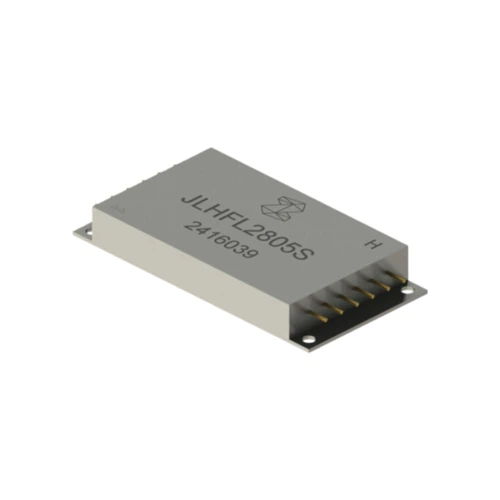
If you are interested in our micro power supply converters and would like to discuss your procurement needs, please do not hesitate to reach out. Our team of experts is ready to assist you in finding the perfect solution for your projects.
References
- "Power Supply Efficiency and Energy Consumption Standards", Electronics Industries Alliance.
- "Standby Power Management in Electronic Devices", Journal of Energy - Efficient Electronics.
- "Design Considerations for Low - Power DC - DC Converters", IEEE Transactions on Power Electronics.