

A directional sensor is a crucial component in many industrial and consumer applications, providing accurate information about direction and orientation. However, like any electronic device, directional sensors can sometimes malfunction. As a leading directional sensor supplier, we understand the importance of quickly and effectively resolving these issues. In this blog, we'll explore common causes of directional sensor malfunctions and provide practical solutions to fix them.

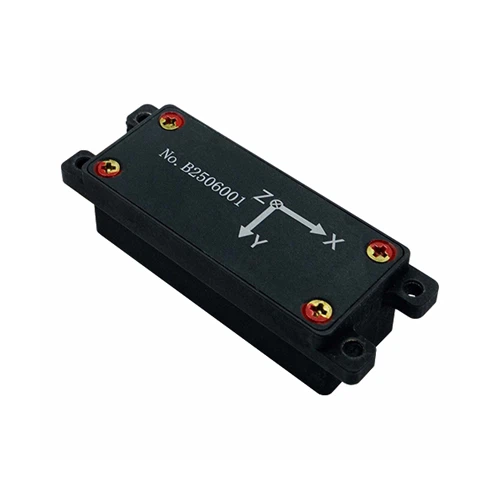
Common Causes of Malfunctioning Directional Sensors
1. Physical Damage
Physical damage is one of the most common reasons for a directional sensor to malfunction. This can occur due to improper handling, impact, or environmental factors such as extreme temperatures or humidity. For example, if a sensor is dropped or exposed to excessive vibrations, its internal components may become misaligned or damaged, leading to inaccurate readings.
2. Electrical Issues
Electrical problems can also cause directional sensors to malfunction. Loose connections, short circuits, or power surges can disrupt the normal operation of the sensor. In addition, corrosion or oxidation of electrical contacts can increase resistance and interfere with the flow of current, affecting the sensor's performance.
3. Calibration Errors
Directional sensors need to be calibrated regularly to ensure accurate readings. If the sensor is not calibrated correctly or if the calibration settings are changed accidentally, it can lead to inaccurate directional measurements. Calibration errors can also occur due to changes in the environment, such as magnetic interference or temperature variations.
4. Software Glitches
Many modern directional sensors rely on software to process and interpret data. Software glitches or bugs can cause the sensor to malfunction or provide inaccurate readings. These glitches can be caused by a variety of factors, including outdated firmware, incompatible software, or programming errors.
How to Fix a Malfunctioning Directional Sensor
1. Inspect for Physical Damage
The first step in fixing a malfunctioning directional sensor is to inspect it for physical damage. Check for any visible signs of cracks, dents, or other damage to the sensor housing. If you find any damage, the sensor may need to be replaced. In some cases, minor damage can be repaired, but it's important to consult a professional technician to ensure proper repair.
2. Check Electrical Connections
Next, check the electrical connections of the directional sensor. Make sure all cables are securely plugged in and that there are no loose or damaged wires. If you find any loose connections, tighten them or replace the cables if necessary. You can also use a multimeter to check the electrical continuity of the cables and the sensor.
3. Recalibrate the Sensor
If the sensor is not providing accurate readings, it may need to be recalibrated. Most directional sensors come with calibration instructions in the user manual. Follow these instructions carefully to calibrate the sensor correctly. In some cases, you may need to use a calibration tool or software provided by the manufacturer.
4. Update the Firmware
Software glitches can often be fixed by updating the firmware of the directional sensor. Check the manufacturer's website for the latest firmware updates for your sensor. Download and install the updates according to the instructions provided. Make sure to back up any important data before updating the firmware.
5. Replace the Sensor
If all else fails, you may need to replace the directional sensor. Before replacing the sensor, make sure to choose a compatible replacement that meets your specific requirements. You can find a wide range of directional sensors on our website, including the Dynamic Rotary Directional Sensor, Miniature Vibration-Resistant Directional Sensor, and Logging Micro Directional Sensor.
Preventive Maintenance Tips
To avoid future malfunctions, it's important to perform regular preventive maintenance on your directional sensors. Here are some tips to help you keep your sensors in good working condition:
- Handle with Care: Avoid dropping or subjecting the sensor to excessive vibrations or impacts.
- Keep it Clean: Regularly clean the sensor to remove dust, dirt, and other debris that can affect its performance.
- Store Properly: When not in use, store the sensor in a cool, dry place to prevent damage from humidity and temperature variations.
- Follow Manufacturer's Recommendations: Follow the manufacturer's recommendations for calibration, maintenance, and replacement intervals.
Conclusion
A malfunctioning directional sensor can cause significant problems in many applications. By following the steps outlined in this blog, you can diagnose and fix common issues with your directional sensor. Remember to perform regular preventive maintenance to keep your sensors in good working condition. If you need further assistance or have any questions about our directional sensors, please don't hesitate to contact us. We're here to help you find the right solution for your needs. Whether you're looking for a high-performance Dynamic Rotary Directional Sensor, a Miniature Vibration-Resistant Directional Sensor for challenging environments, or a Logging Micro Directional Sensor for data collection, we have the expertise and products to meet your requirements. Contact us today to start a procurement discussion and find the perfect directional sensor for your project.
References
- Manufacturer's user manuals for directional sensors
- Industry standards and best practices for sensor maintenance and calibration