

In the realm of electronic devices, electromagnetic interference (EMI) is a persistent challenge that can degrade the performance and reliability of equipment. EMI filters play a crucial role in mitigating this interference, ensuring that electronic systems operate smoothly and efficiently. As a leading supplier of EMI Filter, I understand the importance of certifications in validating the quality and effectiveness of these filters. In this blog post, I will explore the various certifications available for EMI filters and their significance in the industry.
Understanding EMI and the Role of Filters
Before delving into the certifications, it's essential to understand what EMI is and how filters work to combat it. Electromagnetic interference refers to the disturbance caused by electromagnetic radiation emitted by electronic devices. This interference can disrupt the normal operation of other nearby devices, leading to malfunctions, data errors, or even complete system failures.
EMI filters are designed to suppress unwanted electromagnetic noise by blocking or attenuating the interference signals while allowing the desired electrical signals to pass through. They typically consist of passive components such as capacitors, inductors, and resistors arranged in specific configurations to provide the desired filtering characteristics.
Importance of Certifications for EMI Filters
Certifications serve as independent verification of a product's compliance with specific standards and regulations. For EMI filters, certifications are crucial for several reasons:
- Quality Assurance: Certifications ensure that the filters meet the highest quality standards and have been tested to perform effectively under various conditions. This gives customers confidence in the reliability and performance of the products.
- Regulatory Compliance: Many industries have strict regulations regarding electromagnetic compatibility (EMC), which mandates the use of EMI filters that meet specific standards. Certifications help manufacturers demonstrate compliance with these regulations, avoiding potential legal issues and penalties.
- Market Acceptance: In a competitive market, certifications can differentiate a product from its competitors. Customers are more likely to choose products that are certified, as they provide assurance of quality and performance.
Common Certifications for EMI Filters
There are several certifications available for EMI filters, each addressing different aspects of performance, safety, and compliance. Here are some of the most common certifications:
1. UL (Underwriters Laboratories) Certification
UL is a globally recognized independent safety science company that provides certification services for a wide range of products, including EMI filters. UL certification ensures that the filters meet the safety requirements set by the UL standards, which cover aspects such as electrical safety, fire resistance, and mechanical integrity.
UL-certified EMI filters have undergone rigorous testing to ensure that they do not pose a risk of electric shock, fire, or other hazards when used in accordance with the manufacturer's instructions. This certification is particularly important for products used in North America, as it is widely accepted by regulatory authorities and customers in the region.
2. CE (Conformité Européene) Marking
The CE marking is a mandatory certification for products sold in the European Economic Area (EEA). It indicates that the product complies with all relevant European health, safety, and environmental protection directives, including those related to electromagnetic compatibility (EMC).
EMI filters with the CE marking have been tested to meet the EMC requirements of the European Union, which aim to ensure that electronic devices can operate without causing or being affected by electromagnetic interference. This certification is essential for manufacturers looking to sell their products in the European market.
3. FCC (Federal Communications Commission) Certification
The FCC is a United States government agency that regulates interstate and international communications by radio, television, wire, satellite, and cable. FCC certification is required for electronic devices that emit radio frequency energy, including EMI filters.
FCC-certified EMI filters have been tested to meet the FCC's rules and regulations regarding electromagnetic emissions, ensuring that they do not cause harmful interference to other radio frequency devices. This certification is necessary for products sold in the United States and is also recognized in many other countries.
4. VDE (Verband der Elektrotechnik, Elektronik und Informationstechnik) Certification
VDE is a German organization that provides testing and certification services for electrical and electronic products. VDE certification is widely recognized in Europe and other parts of the world, indicating that the EMI filters meet the high-quality standards set by VDE.
VDE-certified filters have been tested for electrical safety, performance, and electromagnetic compatibility, ensuring that they are suitable for use in a variety of applications. This certification is particularly important for products used in the European market, where VDE standards are often referenced in regulations and customer specifications.
5. RoHS (Restriction of Hazardous Substances) Compliance
RoHS is a European Union directive that restricts the use of certain hazardous substances in electrical and electronic equipment. RoHS compliance certification ensures that the EMI filters do not contain any of the restricted substances, such as lead, mercury, cadmium, and hexavalent chromium.
RoHS compliance is important for environmental protection and human health, as the restricted substances can have harmful effects on the environment and human beings. This certification is increasingly becoming a requirement for products sold in the European market and is also being adopted by other countries around the world.
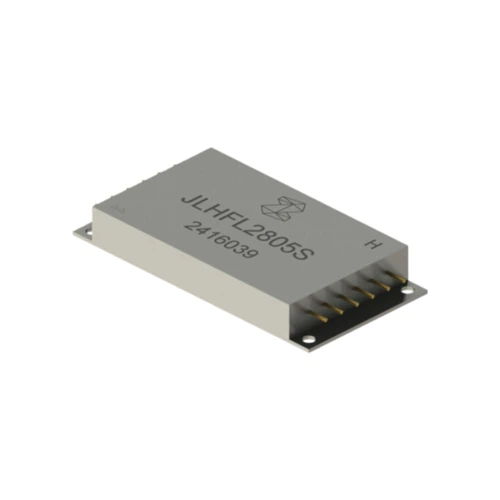

Choosing the Right Certification for Your EMI Filters
When selecting EMI filters, it's important to consider the specific requirements of your application and the target market. Here are some factors to keep in mind:
- Application Requirements: Different applications may have different EMI filtering requirements. For example, filters used in medical devices may need to meet more stringent safety and performance standards than those used in consumer electronics. Consider the specific requirements of your application and choose filters that are certified to meet those requirements.
- Target Market: If you plan to sell your products in a specific market, you need to ensure that the filters are certified to meet the relevant standards and regulations of that market. For example, if you are targeting the European market, you need to ensure that the filters have the CE marking and are RoHS compliant.
- Cost and Lead Time: Certifications can add to the cost and lead time of the filters. Consider the cost-benefit ratio of obtaining the certifications and factor in the additional time required for testing and certification. In some cases, it may be possible to obtain multiple certifications simultaneously, which can help reduce the overall cost and lead time.
Our Commitment to Quality and Certification
As a supplier of EMI Filter, we are committed to providing our customers with high-quality products that meet the highest standards of performance and reliability. Our filters are designed and manufactured in accordance with the latest industry standards and undergo rigorous testing to ensure compliance with relevant certifications.
We offer a wide range of EMI filters that are UL, CE, FCC, VDE, and RoHS certified, providing our customers with the assurance that our products meet the strictest safety and performance requirements. Our team of experts can also help you select the right filters for your specific application and provide technical support throughout the product lifecycle.
Conclusion
Certifications play a vital role in ensuring the quality, safety, and compliance of EMI filters. By choosing filters that are certified to meet the relevant standards and regulations, you can have confidence in the performance and reliability of your electronic systems. As a leading supplier of EMI Filter, we are committed to providing our customers with high-quality products that meet the highest standards of performance and reliability. If you have any questions or need assistance in selecting the right EMI filters for your application, please do not hesitate to contact us. We look forward to working with you to solve your EMI filtering challenges.
References
- Underwriters Laboratories (UL) Standards
- European Union EMC Directives
- Federal Communications Commission (FCC) Rules and Regulations
- Verband der Elektrotechnik, Elektronik und Informationstechnik (VDE) Standards
- Restriction of Hazardous Substances (RoHS) Directive